Factory Direct Pricing | Bulk Orders Available
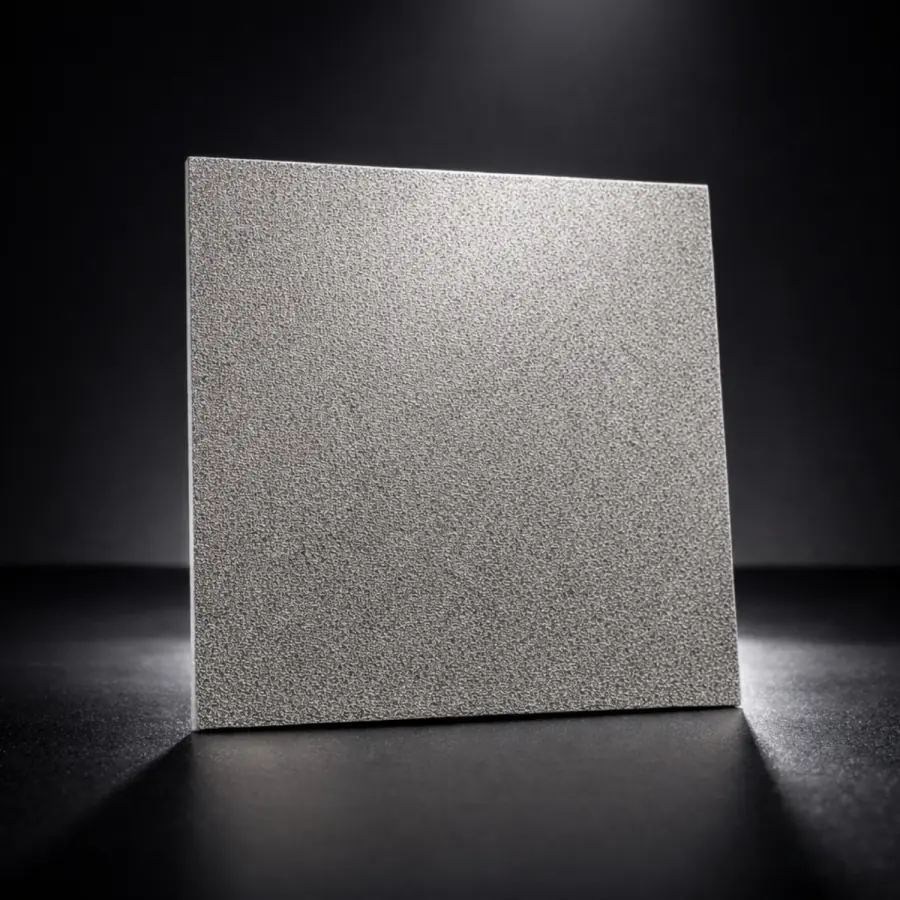
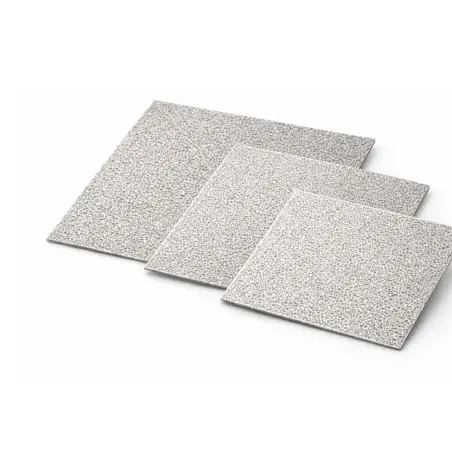
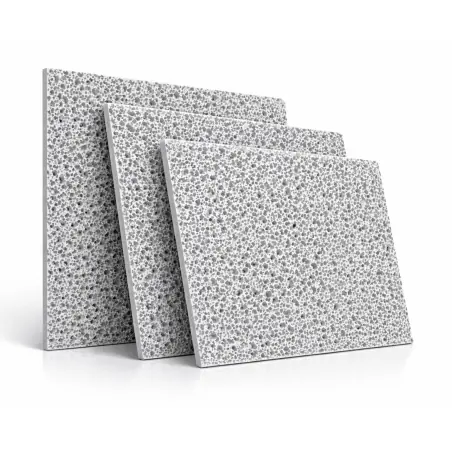
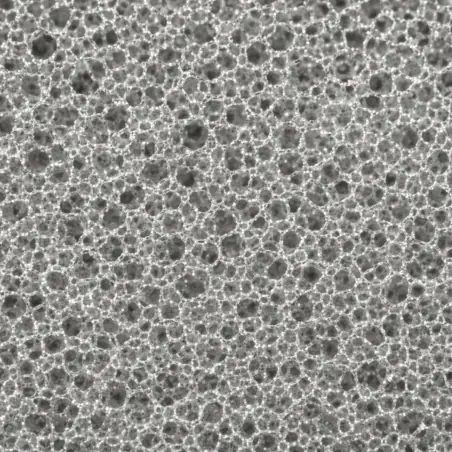
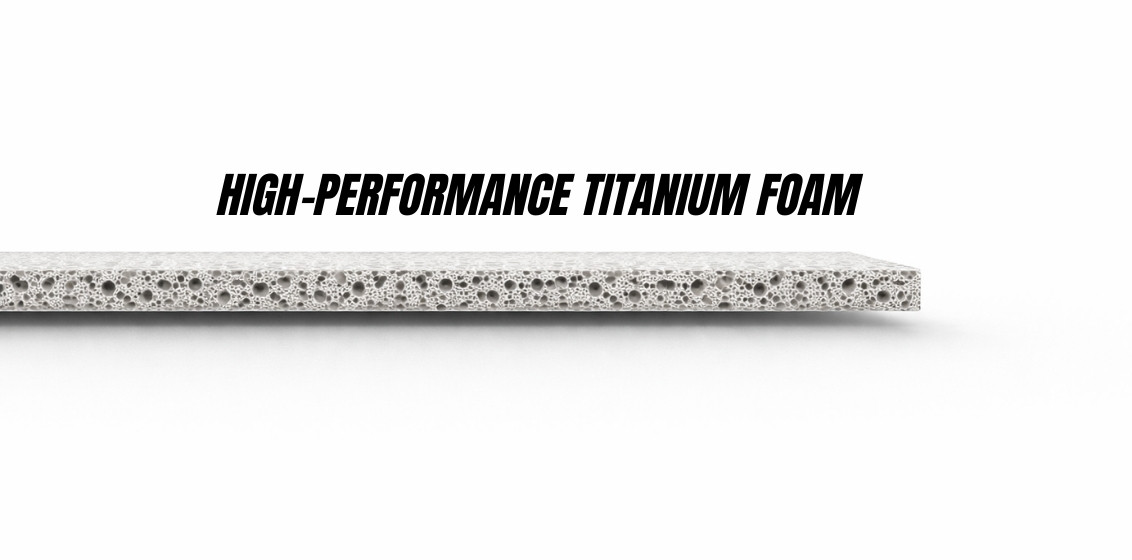
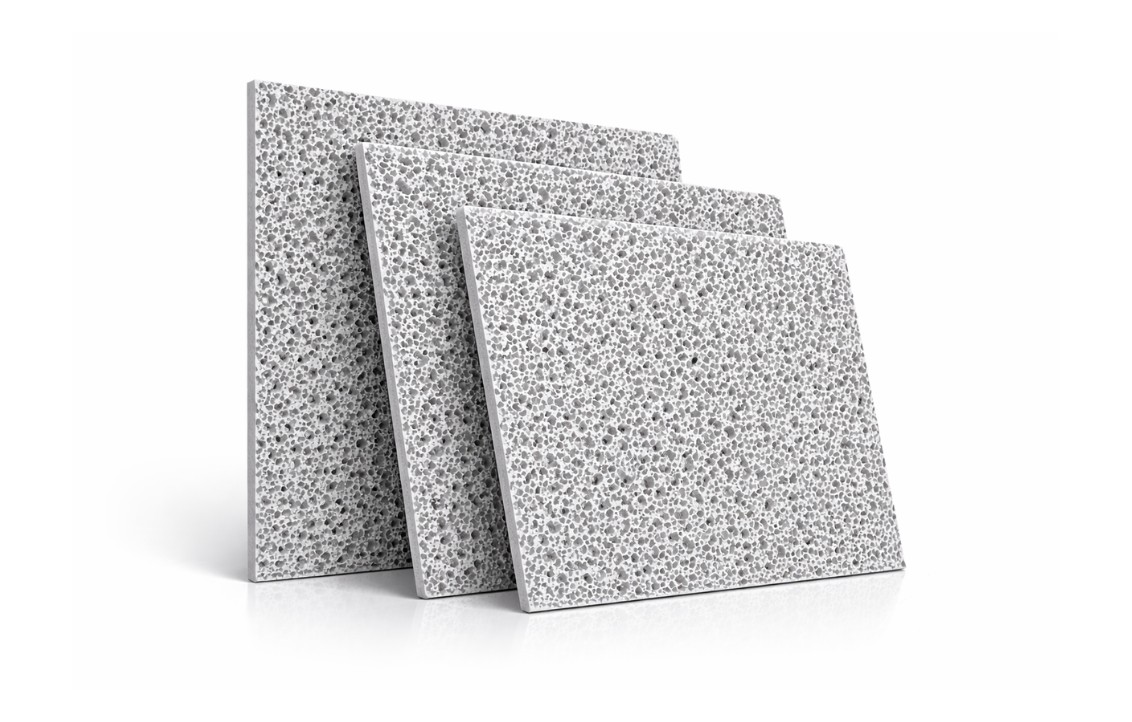
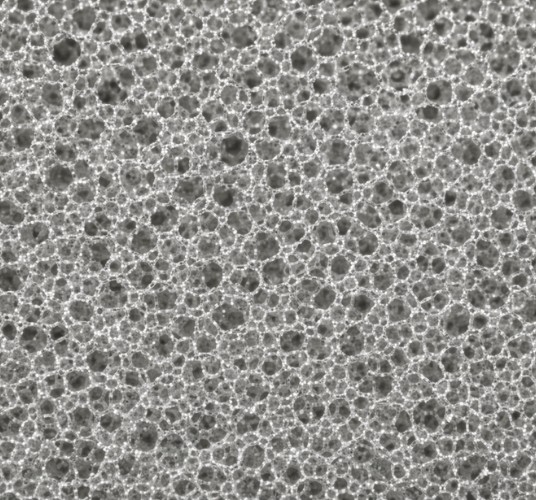
Titanium foam is a lightweight, incredibly strong material with a naturally sponge-like texture. It’s a type of Metal Foam often used in applications that require both durability and low weight. During manufacturing, the pore size and number can be carefully controlled, allowing the material density and porosity to be adjusted for various uses. If more strength is required, it can be made denser. If lower weight or better flow is needed, it can be made more porous. It is durable and corrosion-resistant, making it suitable for structural parts, filters, and energy-related uses.
Its open structure absorbs shock and minimizes vibration, while allowing air, liquids, and gases to pass through easily. This makes it ideal for applications like filtration and flow control. It also retains the main benefits of Metal Foam, such as corrosion and chemical resistance, as well as the ability to withstand high temperatures. Because of these qualities, it is used in clean energy systems, aerospace components, advanced engineering, and medical devices, shaping the future of lightweight, high-strength engineering. It is the perfect blend of durability, performance, and innovation that makes it a true next-generation material.
| Property | Specification |
|---|---|
| Appearance | Metallic Grey |
| Melting Point | 1668 °C |
| Boiling Point | 3560 °C |
| Density | Approximately 4.5 g/cm³ |
| Crystal Structure | Hexagonal Close-Packed (HCP) |
| Electrical Resistivity | 42 µΩ·cm @ 20 °C |
| Thermal Conductivity | Moderate, Geometry-Dependent |
| Tensile Strength | Around 120–160 MPa (depending on porosity) |
Titanium Foam is transforming many industries because it is strong, lightweight, and versatile. In the medical field, it is used to make bone implants, orthopedic supports, and dental parts. Because it has a porous structure, body tissue can grow into it more easily, which helps the healing process. In aerospace and defense applications, it is chosen for its strength and light weight. It can withstand shock and reduce impact damage, making it suitable for use in protective panels and other lightweight structural components.
In industries, Metal Foam is used in chemical and gas filters, catalytic converters, and heat exchangers. It is stable in harsh environments and has a large surface area, making it highly effective. In green energy systems, it is used in fuel cells and batteries as a base material for electrodes. It helps gases move easily and manages heat well. From medicine to engineering, it continues to find new applications due to its strong, flexible properties.

| Property | Titanium Foam | Aluminium Foam | Copper Foam | Nickel Foam |
|---|---|---|---|---|
| Base Material | Titanium (Ti) | Aluminium (Al) | Copper (Cu) | Nickel (Ni) |
| Density | Very Low (high strength-to-weight) | Extremely Lightweight | Moderate | Moderate |
| Porosity Range | 70–95% | 70–90% | 80–98% | 70–98% |
| Thermal Conductivity | Low–Moderate | Moderate | Very High | High |
| Electrical Conductivity | Moderate | Moderate | Excellent | Excellent |
| Corrosion Resistance | Excellent | Good | Moderate | Good |
| High Temperature Stability | Excellent (up to ~900°C) | Moderate (~400°C) | Moderate | Very High |
| Mechanical Strength | Very High | Medium | Medium | High |
| Main Advantages | High strength, corrosion resistance, biomedical compatibility | Lightweight, energy absorption, vibration damping | Superior thermal & electrical conductivity | High conductivity, catalytic stability, thermal resistance |
| Typical Applications | Aerospace structures, biomedical implants, catalyst supports | Automotive crash absorbers, acoustic panels, lightweight structures | Battery current collectors, heat exchangers, filtration | Battery electrodes, fuel cells, catalyst carriers |
| Relative Cost | Very High | Low | Medium | Medium–High |
At Shilpent, we make top-quality Titanium Foam with great care and precision. Our foam has uniform pore size, a solid yet lightweight build, and strong resistance to rust and wear. It’s long-lasting and performs well across many use cases, including medical, industrial, and energy applications. We are a supplier of Metal Foam in custom sizes and thicknesses as per the required specification, ensuring smooth fluid flow and reliable performance. Contact us for price details, custom orders, and delivery timelines.